“Electric Vehicles Are Here. So, Why Are We Not Buying Them?”
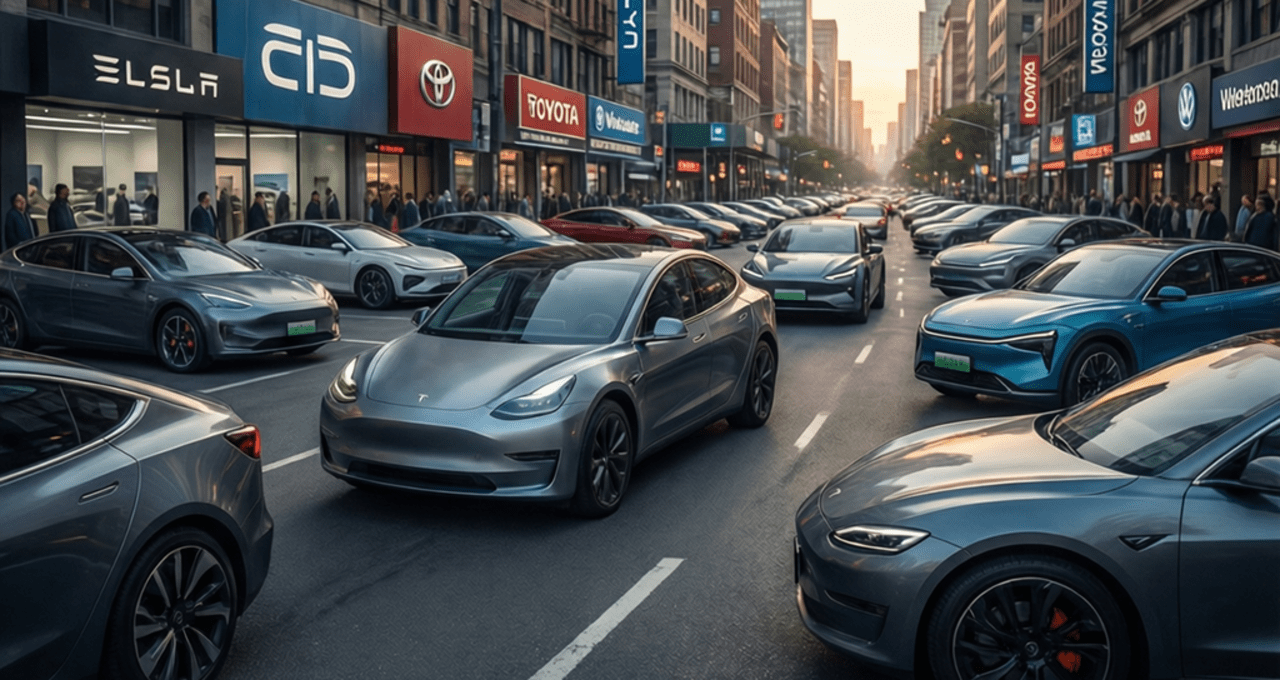
Electric vehicles (EVs) are no longer a futuristic dream. They’re here—sleek, silent, and scattered across showrooms and streets. With Tesla, BYD, Rivian, and even legacy giants like Toyota and Volkswagen all racing to electrify their fleets, the EV revolution seems inevitable. But there’s a problem…
Despite the buzz, most consumers still aren’t buying them. Why?
Let’s dive into the real reasons behind the hesitation.
1. Infrastructure: We’re Not Ready (Yet)
One of the biggest hurdles is the lack of charging infrastructure. While fuel stations dot every corner, public charging stations are few and far between—especially in developing regions. And when they do exist, they may be slow, broken, or already occupied.
2. The Price Tag Problem
Although EVs offer long-term savings through lower fuel and maintenance costs, their initial price is still high. Batteries, which make up nearly 40% of the vehicle’s cost, remain expensive. For many middle-income buyers, a brand-new EV just doesn’t fit the budget.
3. Battery Anxiety Is Real
"Will it last long enough?"
Range anxiety—the fear that your EV might die on the road without a nearby charger—is still very real. Most affordable EVs cap out around 250-300 km per charge, which doesn’t inspire confidence for long road trips or rural driving.
4. Unclear Second-Hand Market
Many car buyers are comfortable buying used vehicles. But with EVs, the resale market is still young, and concerns about battery degradation and repair costs are making buyers wary of going pre-owned.
5. Charging at Home Isn’t Always Easy
Not everyone lives in a standalone home. Apartment dwellers, renters, or those without garage space often can’t install chargers—making EV ownership inconvenient or downright impossible.
6. Lack of Awareness and Misinformation
EVs are still misunderstood. From performance myths ("They're slow") to environmental skepticism ("Aren’t batteries worse for the planet?"), many consumers simply don’t have accurate, up-to-date information to base their decisions on.
7. Region-Specific Challenges
In regions like East Africa, South America, and parts of Asia, infrastructure gaps, import costs, and policy uncertainties slow down EV adoption. Governments may not offer the same subsidies or incentives as wealthier nations.
As sellers and buyers, we must be informed and ready to embrace the shift—because it’s coming faster than you think.